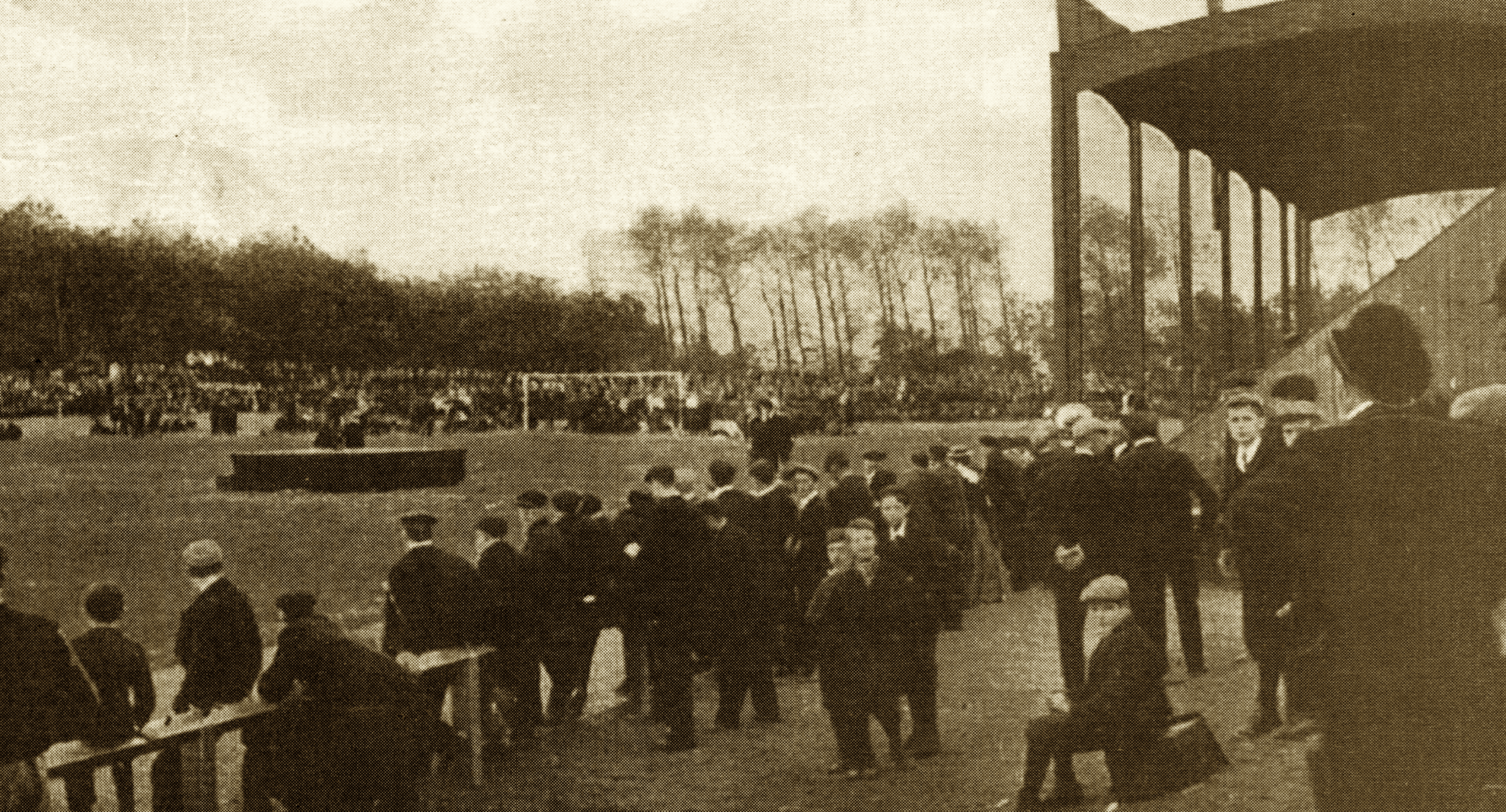
Fir Park has always been more than just a football ground. Since its first match on 3 August 1895 (when Motherwell were humbled 8–1 by Celtic) the stadium has grown, adapted, and endured, mirroring the fortunes of the club and its supporters.
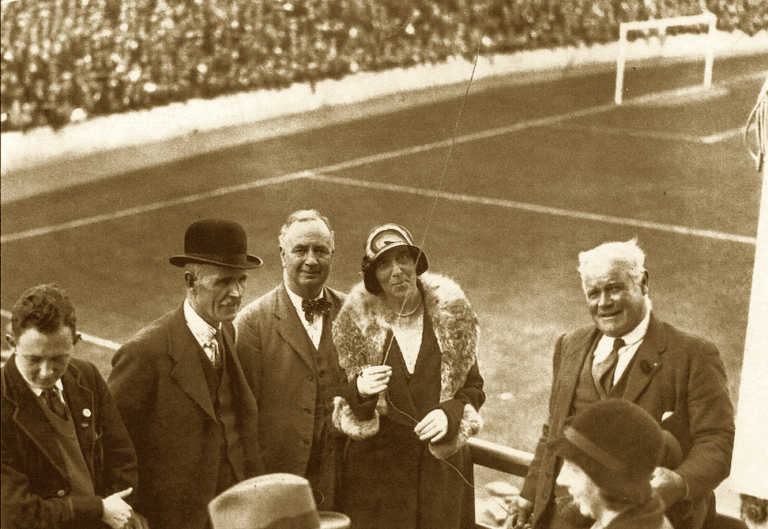
In the 1930s, as Motherwell basked in the glory of their league triumph, the club proudly hoisted a new championship flag high above Fir Park. The sight of Mrs. Orbiston unfurling the flag in front of 12,000 fans in August 1932 captured the spirit of a team at the height of its powers. Even small touches, like a taller flagpole or experiments with broadcasting, hinted at a stadium beginning to dream bigger.
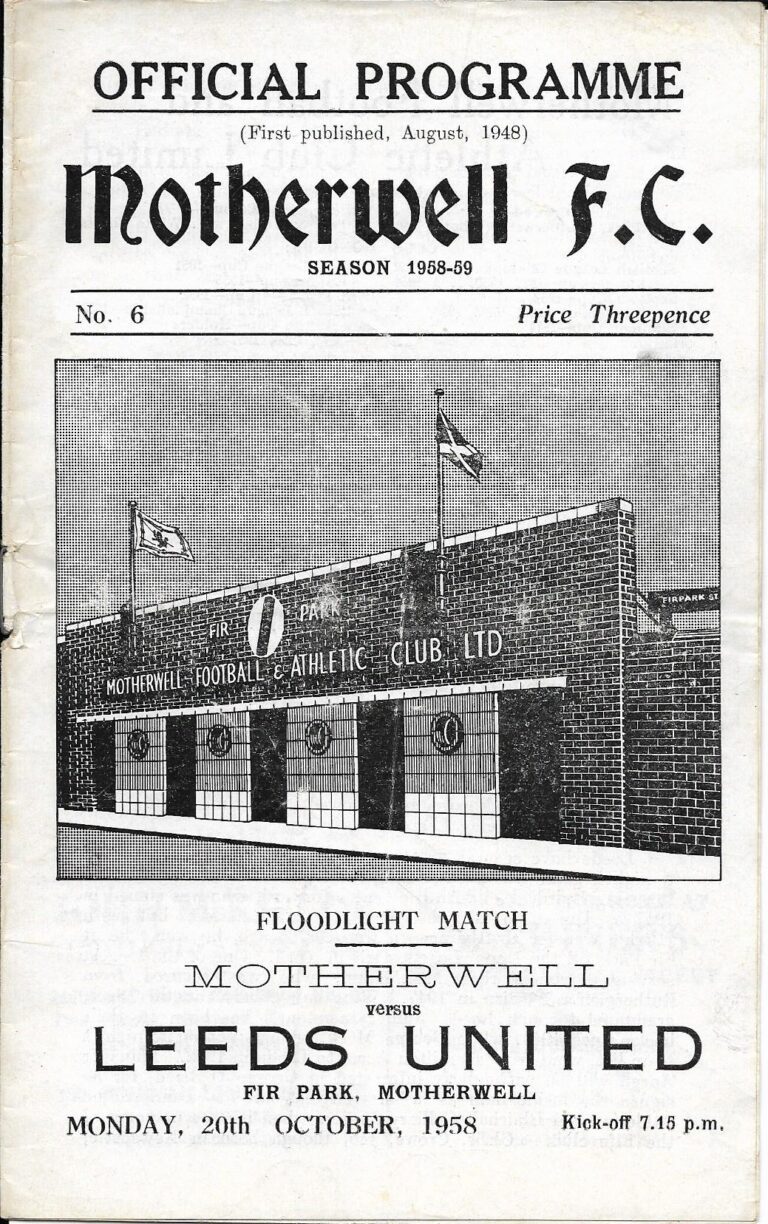
The post-war years brought new life to Fir Park. The 1950s saw the East Terracing gain a roof, a blessing in Lanarkshire’s relentless rain. Soon after came a technological leap: floodlights. First installed as makeshift poles in 1956, they lit up matches against English sides like Preston and Leeds, creating a new spectacle under the night sky. By 1960, towering 125-foot pylons had replaced the old system, switched on in style as Motherwell beat Brazilian visitors Bahia 3–0.
Chairman Tom Ormiston CBE, MP, stands beside his wife who unfurls the Championship Winners' Flag for the 1931-32 season. (image: from Images of Sport: The History of Motherwell Football Club 1886-1999, compiled by John Swinburne)
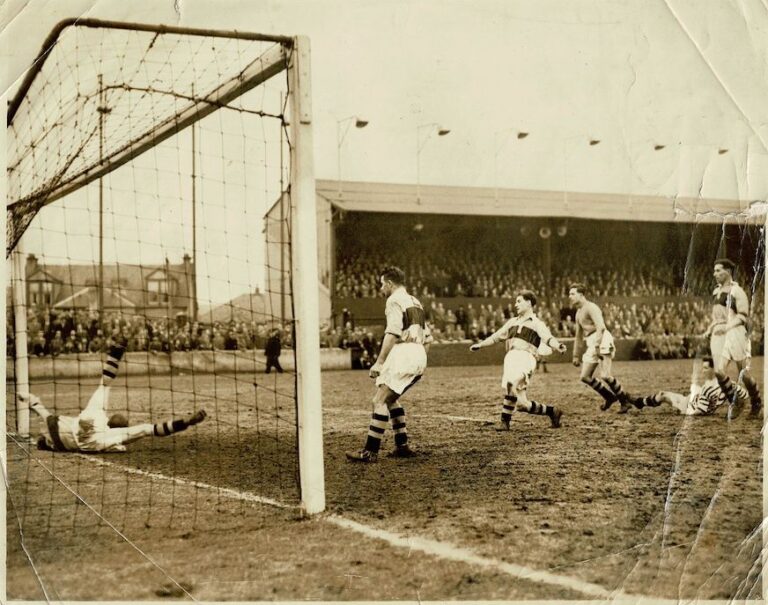
8 February 1956 Scottish Cup 5th round tie at Fir Park, Motherwell 0 v 2 Queens Park. Charlie Aitken diving on the goal line to prevent a goal, he conceded a penalty. (image: Planet News Ltd, kindly donated to MFCHT by Mrs Viv McCann)
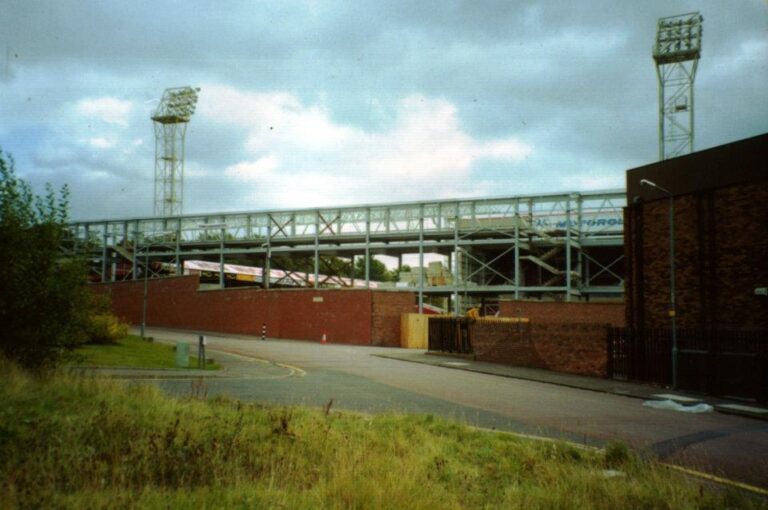
The 1960s carried even bigger ambitions. Steel frames rose for a main stand extension that was supposed to stretch the length of the pitch. Residents on Fir Park Street objected, worried about losing sunlight, and the grand vision was never completed. To this day, the skeleton of that ambition still sits in place – a reminder of what might have been.
Through the 1970s, Fir Park adapted in smaller but important ways. Terracing was concreted, toilets improved, an ambulance hut built, and a powerful new public address system installed. Floodlights were upgraded again, though even then, an energy crisis once left the club hiring a generator just to stage a game.
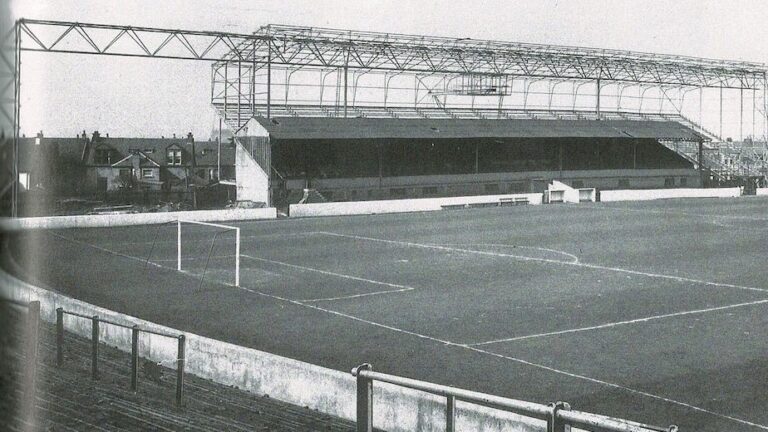
The structure of the new main stand arising from the old stand, March 1962. (image: from The History of Motherwell Football Club 1886-1999, compiled by John Swinburne)
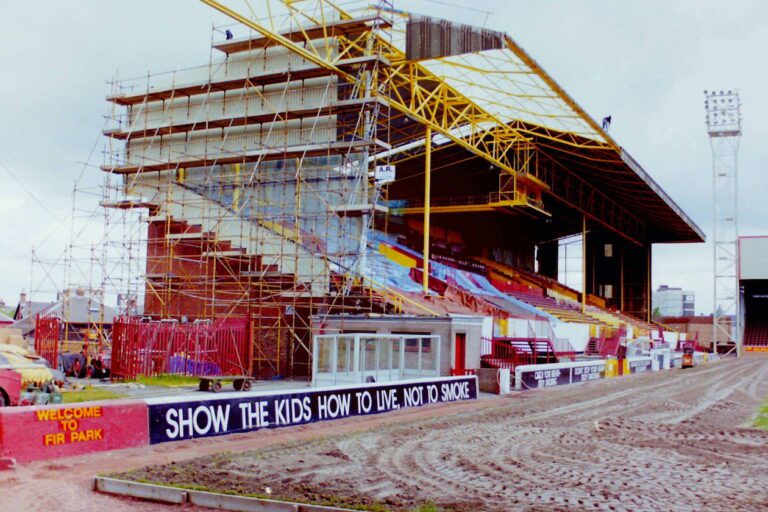
May 1992, scaffolding around the main stand as contractors replace the roofing and cladding. (image: Stuart Graham)
The 1980s brought fresh touches: new seating, upgraded kiosks, even painted advertising boards that gave the ground more colour. But tragedy elsewhere changed football forever. After Hillsborough in 1989, Fir Park’s capacity was cut and new safety measures introduced. Staircases, fire escapes, and all-seater sections reshaped the ground.
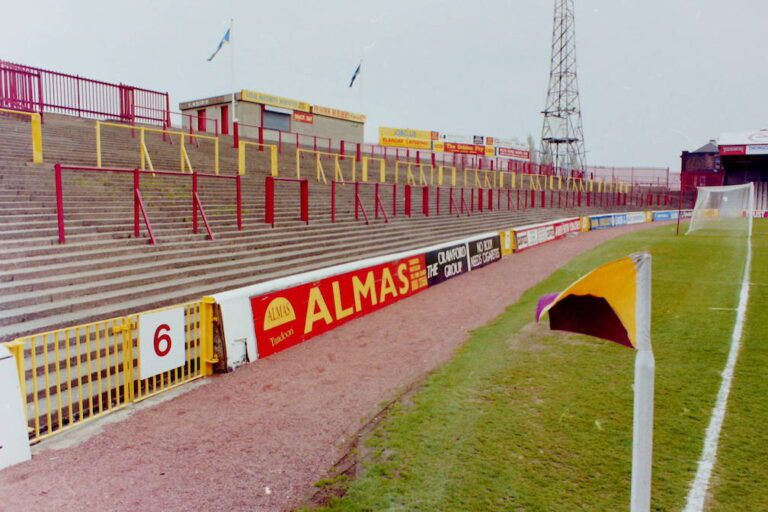
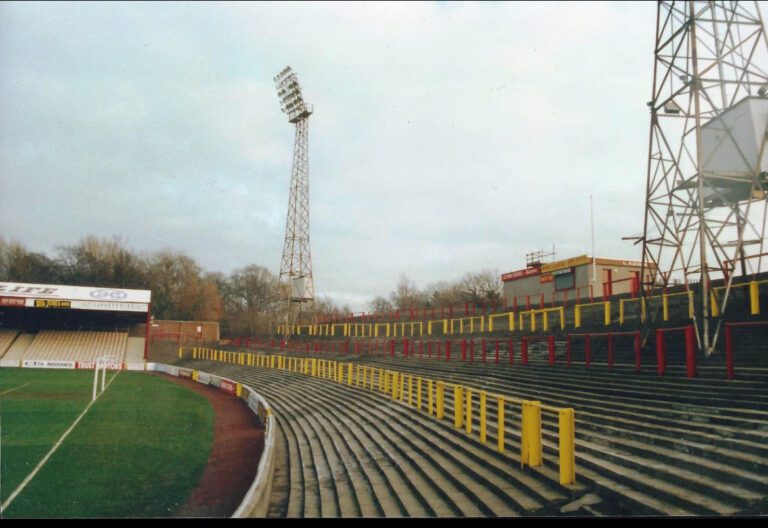
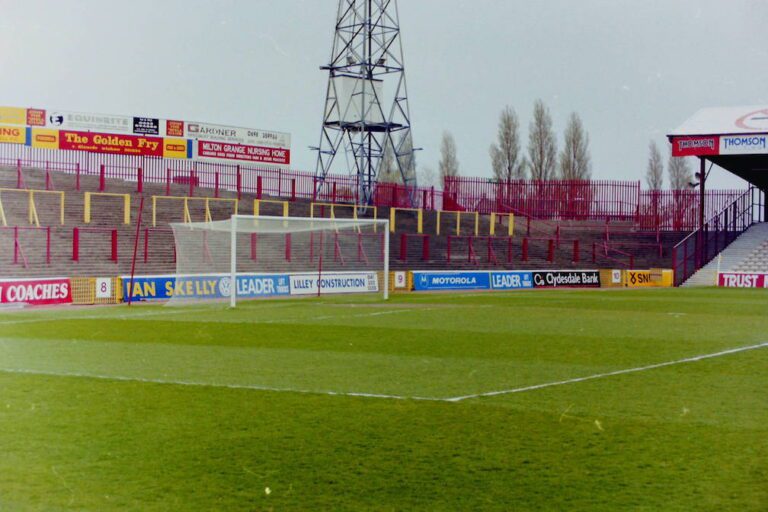
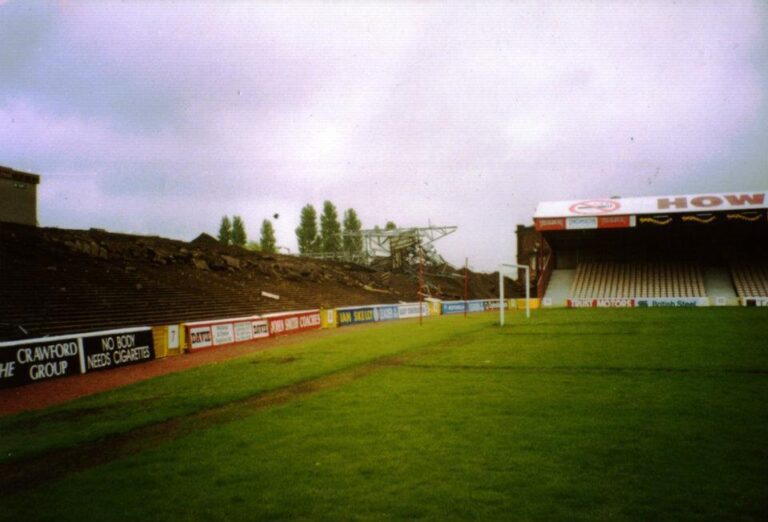
The 1990s were an era of transformation. The East Terracing became the seated John Hunter Stand. Soon after, the towering South Stand opened in 1993, followed by the Davie Cooper Stand in 1995, honouring the legendary winger. With modern floodlights installed the same year, Fir Park began to resemble the all-seater stadium it is today. Take a good look at the images below !
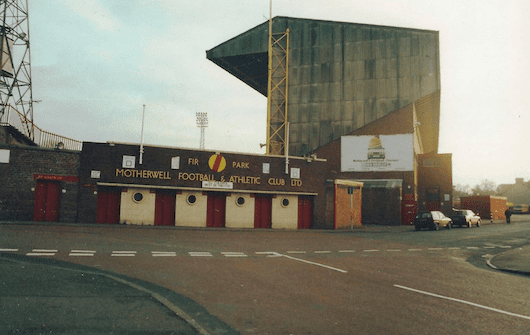
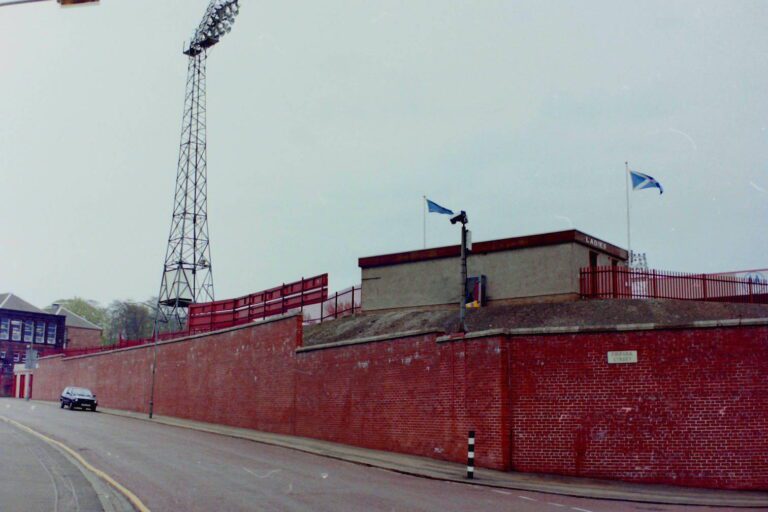
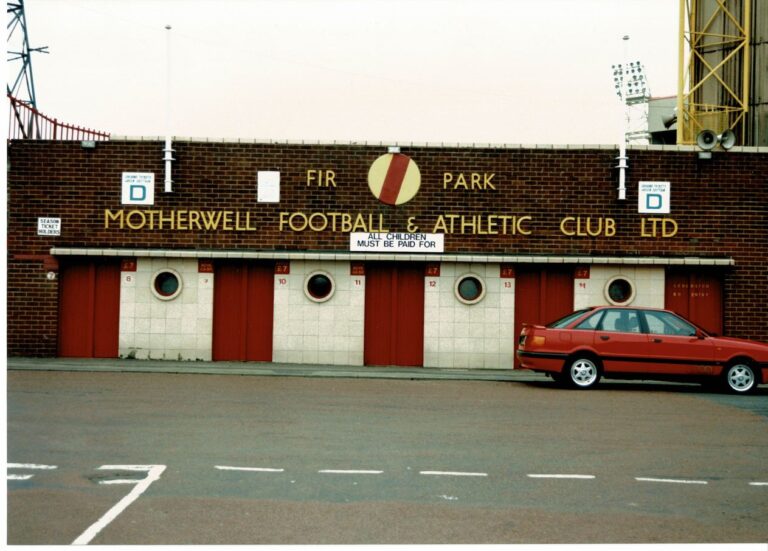
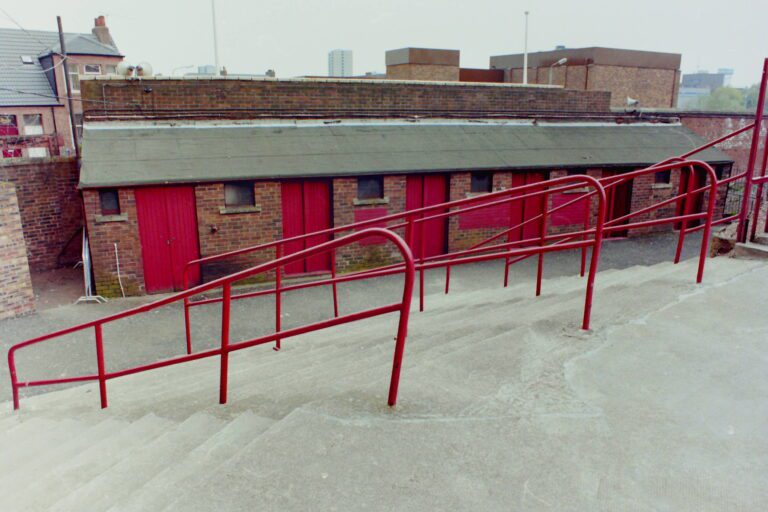
Fir Park Street, turnstiles and main stand 1994 (image: Stuart Graham)
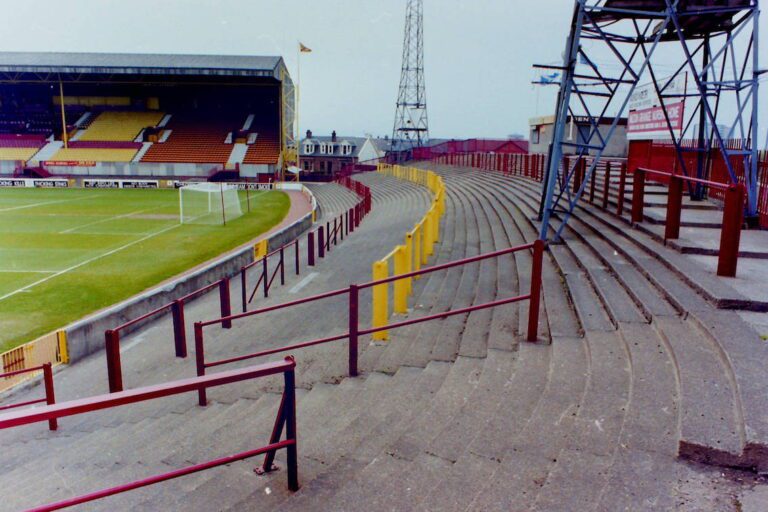
Knowetop End open terracing from the NW corner flag 1994 (image: Stuart Graham)
South End open terracing and the covered East terracing 1992 (image: Stuart Graham)
Knowetop End open terracing from the main stand 1994 (image: Stuart Graham)
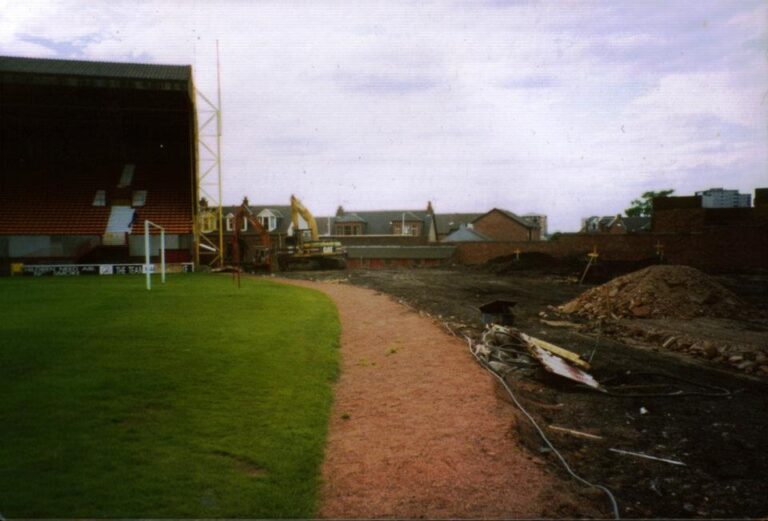
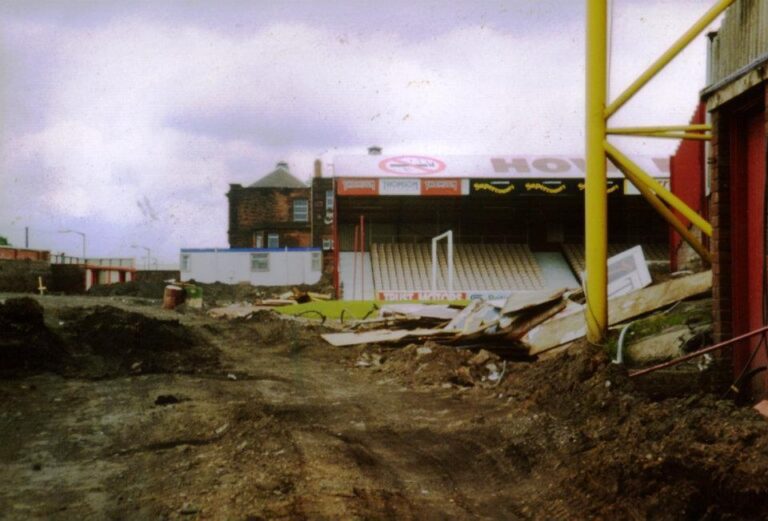
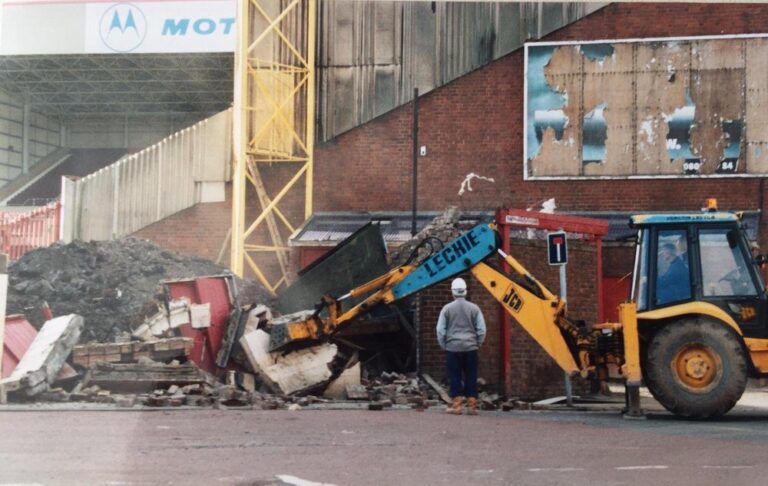
Demolition of Knowetop End open terracing 1994 (image: Stuart Graham)
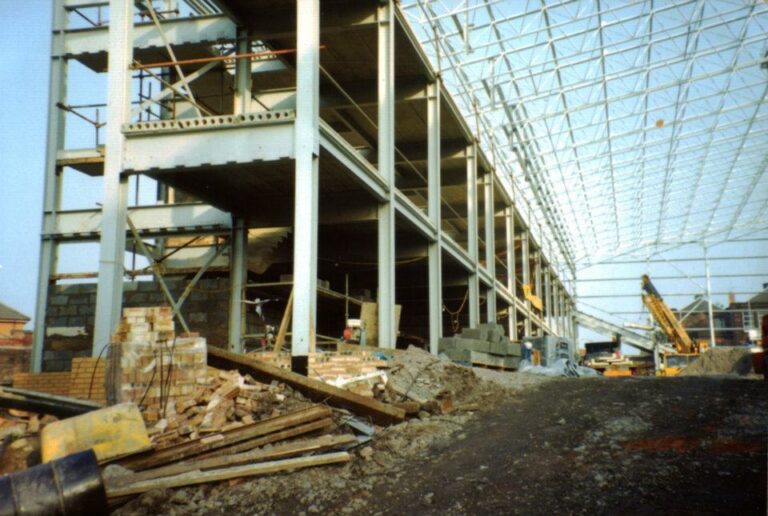
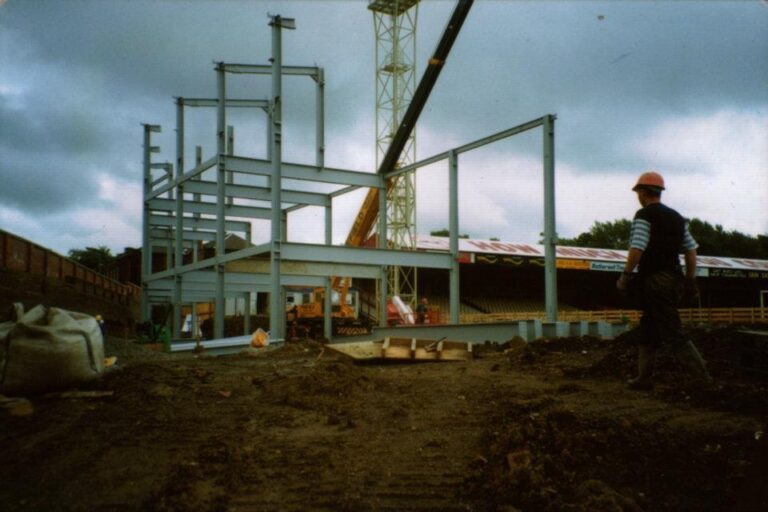
Construction of Davie Cooper Stand 1994 (image: Ricky Mullin)
View from NE corner of Knowetop open terracing 1994 (image: Stuart Graham)
Demolition of Knowetop End open terracing 1994 (image: Ricky Mullin)
Construction of Davie Cooper Stand 1994 (image: Ricky Mullin)
Corner of Fir Park Street at the Knowetop End 1994 (image: Stuart Graham)
Demolition of the Knowetop End 1994 (image: Ricky Mullin)
Construction of the Davie Cooper Stand well under way 1994 (image: Ricky Mullin)
Turnstile and iconic entrance to Fir Park 1994 (image: Stuart Graham)
Inside the Fir Park Street turnstiles at the Knowetop End 1994 (image: Stuart Graham)
Demolition of the Fir Park Street turnstile entrance 1994 (image: Ricky Mullin)
In the new millennium, memory and identity became part of its fabric. The Phil O’Donnell Stand was named in 2008 after the beloved captain’s tragic passing, and a permanent memorial followed in 2011. The John Hunter Stand was renamed in 2016, recognising nearly half a century of service from the club’s former manager and secretary. The stadium became not only a place to watch football but also a place to remember.
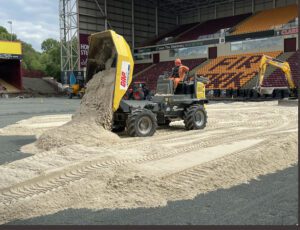
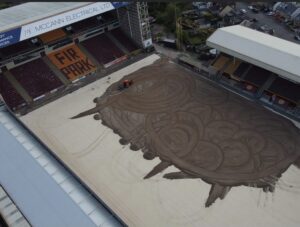
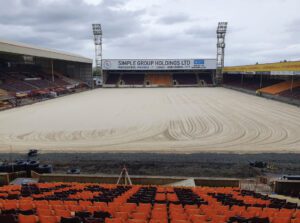
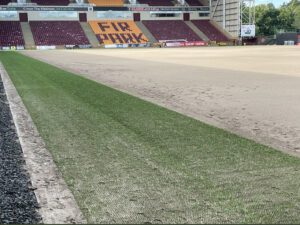
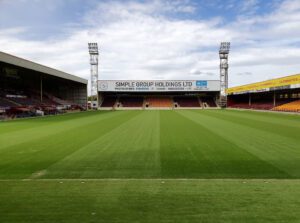
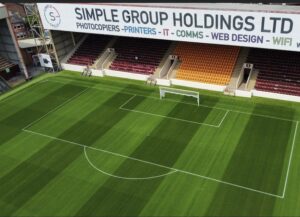
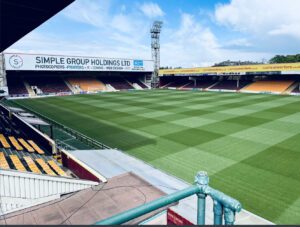
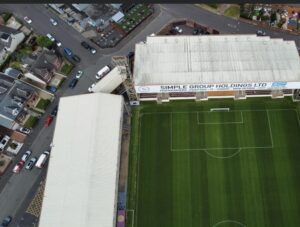
Even during the Covid-19 lockdown of 2020, work went on. The East Stand was refurbished, floodlights upgraded, and the pitch relaid. More recently, innovation has kept coming: a stitched hybrid pitch in 2022, electronic advertising boards in 2023, and new media, press, and official facilities in 2024. Each change shows a club that may not have the resources of football’s giants, but one that continues to invest in its home.
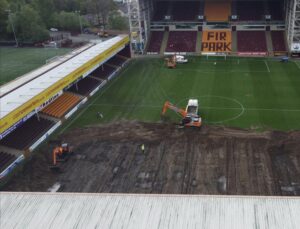
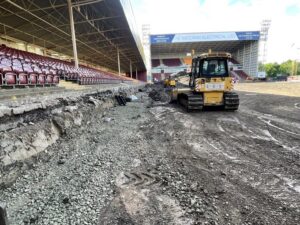
Work begins on levelling the Fir Park pitch
Bulldozing the Fir Park pitch
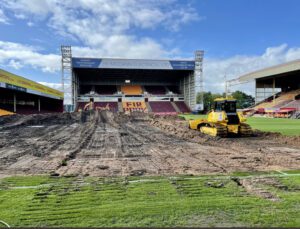
Levelling the foundation
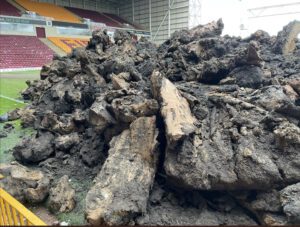
14,000 tonnes of earth and clay removed
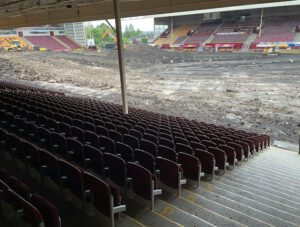
View of the work from the John Hunter Stand
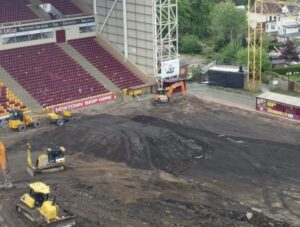
Aerial view of the levelling work
The sand sub-base taking shape
Aerial view of the foundation and sub base
Sub-base complete and ready for the playing surface
The first band of stitched playing surface, 95% natural grass
The new pitch taking root
Aerial view of the best football pitch in Scotland
View of the new playing surface from the Phil O'Donnell Stand
Aerial view of Fir Park and the new pitch
Creating the best football pitch in Scotland, summer 2022 (images: MFCHT Collection)
Fir Park remains a living, breathing story. It has seen flags raised, lights switched on, terraces replaced by stands, and names added to honour heroes. Through every decade, Fir Park has grown alongside the community it serves – always the same ground, yet never standing still.